Looking for a place to take your kids to play? Here’s where you should go!
1. What Are Community Childcare Support Centers?
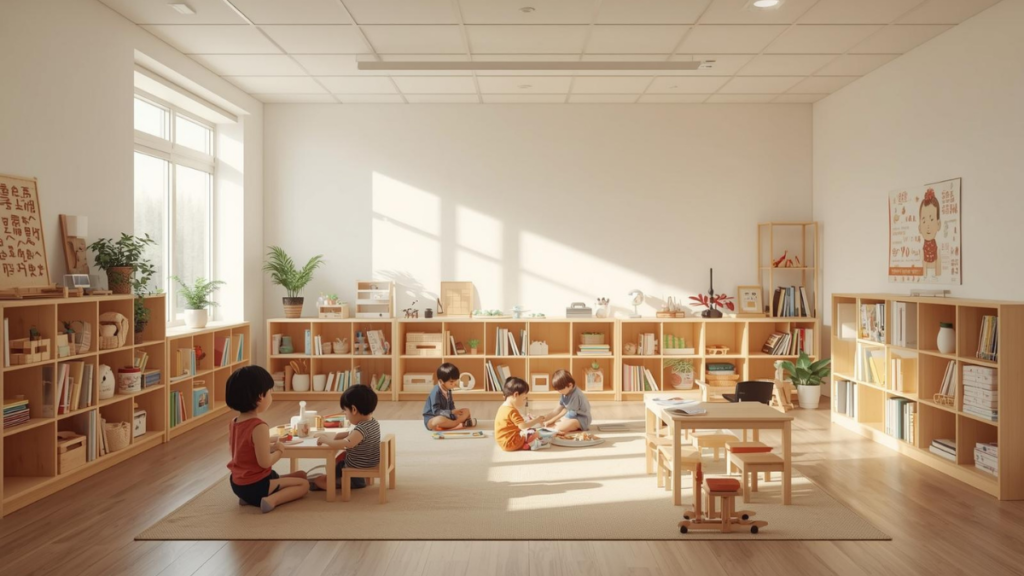
Community Childcare Support Centers (子育て支援センター) are free, open spaces where parents and young children can spend time together in a safe and supportive environment.
They are usually run by local governments and staffed by childcare professionals such as nursery teachers.
Here’s what you can expect:
- A space with toys, picture books, and play areas for children
- Open to families from pregnancy up to preschool age
- Free to use in most cases
- No reservation required. You can come and go anytime during opening hours
- Staff are available to talk and offer advice on parenting or daily concerns
Many centers also offer:
- Seasonal events (storytime, crafts, etc.)
- Growth measurements (height/weight checks)
- Small seminars with public health nurses, nutritionists, or guest speakers
Another important aspect is that these centers are also places to connect with other parents. Even if you don’t actively talk at first, simply being in the same space can help reduce feelings of isolation.
If you’re also looking for support at home,
👉 Read: Childcare Support Services You Can Use at Home
2. Example: A Childcare Support Center in Uji City
To give you a clearer picture, here’s an example based on Uji City (Kyoto).
- There are around 10 centers across the city
- Most are open on weekdays, but some facilities are also open on weekends
A Typical Visit Flow
- Enter the facility
- Write your name at reception
- You may also record your entry/exit time
- Sometimes you’ll be asked about photo permission
- Let your child play freely
Staff Interaction
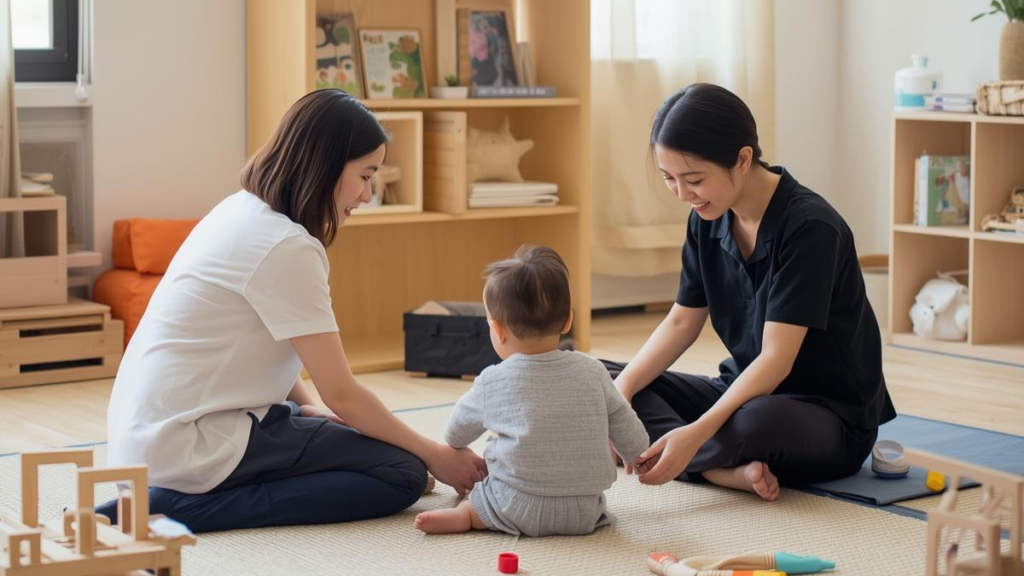
Some centers have multiple staff actively engaging with children and parents. Others are more hands-off, with staff nearby but not always directly involved.
Both styles are normal, so don’t worry if your experience differs from place to place.
Food Rules
In most centers, eating is not allowed inside the play area. This is to prevent allergy risks, avoid children wanting each other’s food and maintain cleanliness.
Looking for more structured childcare options?
👉 Read: Temporary Daycare vs Normal Daycare in Japan
3. Tips & Next Step
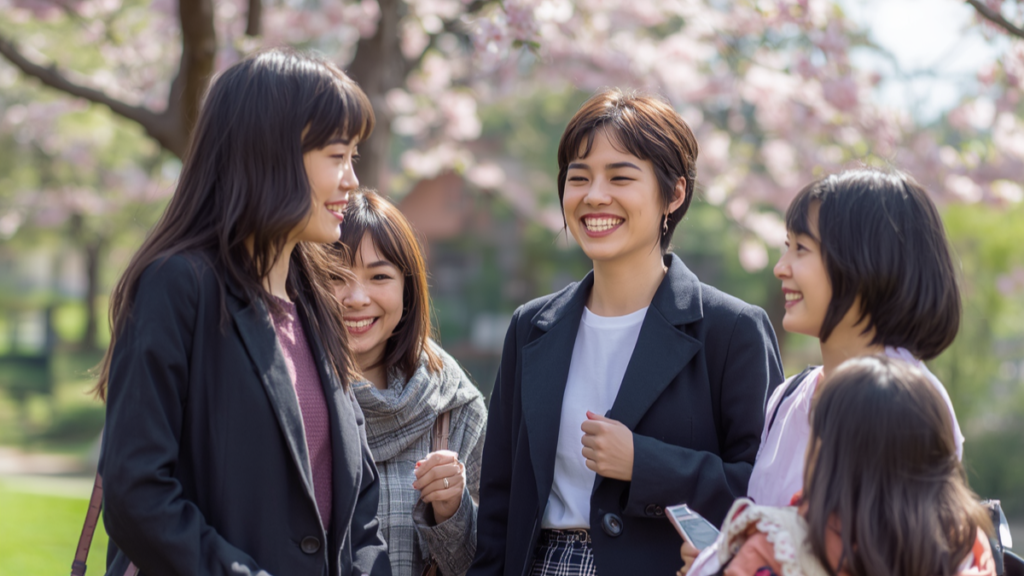
Many international parents notice this:
- Japanese parents may not start conversations right away
- This is especially true if you are a foreign parent (for example, a dad visiting alone)
However, this usually doesn’t mean they are unfriendly. In many cases, people may simply feel unsure about language barriers and how to start a conversation.
If you feel comfortable, even simple Japanese like:「なんさいですか?」(How old is your child?) can help break the ice.
Tips for Your First Visit
- Start with a short visit
→ Just go to see the atmosphere first - Try a few different centers
→ Each one is slightly different (location, toys, staff, parking, etc.)
→ Having options helps depending on your child’s mood or the weather - Don’t hesitate to talk to staff
→ You can ask about childcare, daily routines, or small concerns
Useful Links (Official & Trusted)
- Community Childcare Support Center (Uji City)
- Maternal & Child Health Interpreter Consultation (SHARE)
Multilingual support for communicating at clinics and hospitals. - AMDA Medical Information Center
Helps you find clinics and hospitals with foreign-language support