The first weeks with a newborn can feel overwhelming.
Even simple things like feeding, changing diapers, or giving a bath may feel completely new especially while recovering from childbirth and adjusting to life in Japan.
This article explains the basics of breastfeeding, diaper changing and baby baths.
1. Breastfeeding & Formula
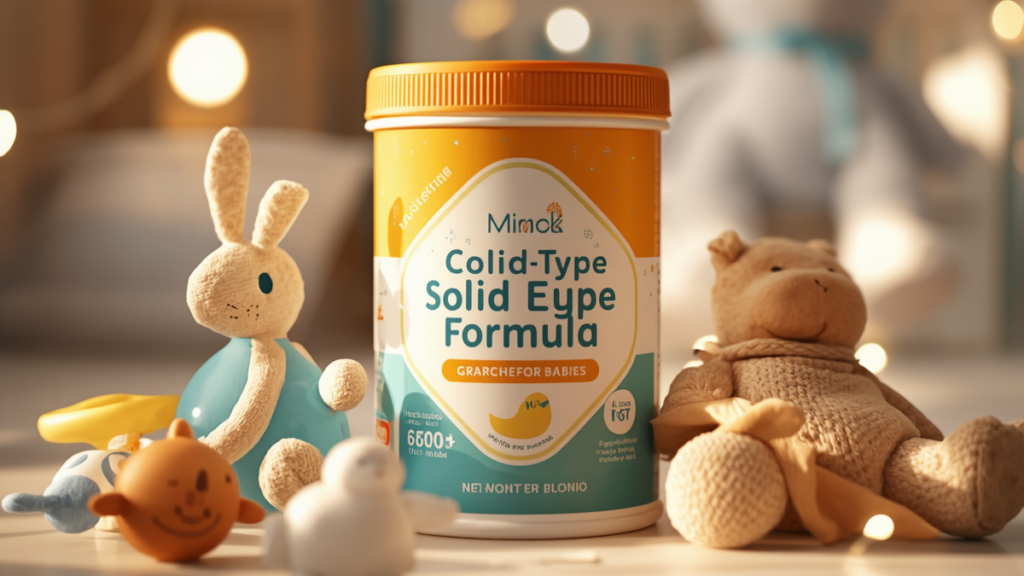
In Japan, hospitals and clinics often encourage breastfeeding, especially during the first days after birth.
However, every family’s situation is different.
Some parents:
- breastfeed only
- use both breastmilk and formula
- switch fully to formula
There is no single “correct” way.
How Often Do Newborns Feed?
Newborn babies usually feed every 2 to 3 hours including during the night.
In the beginning, feeding schedules may feel unpredictable. Cluster feeding (wanting milk very frequently) is also normal.
Signs Your Baby Is Feeding Well
Common signs include:
- regular wet diapers
- weight gain
- relaxed body after feeding
- active sucking and swallowing
Formula Feeding in Japan
Formula is widely available in Japan:
- drugstores
- supermarkets
- baby stores
Popular Japanese brands include:
- Meiji
- Bean Stalk
- Morinaga
- Glico
- Yukijirushi
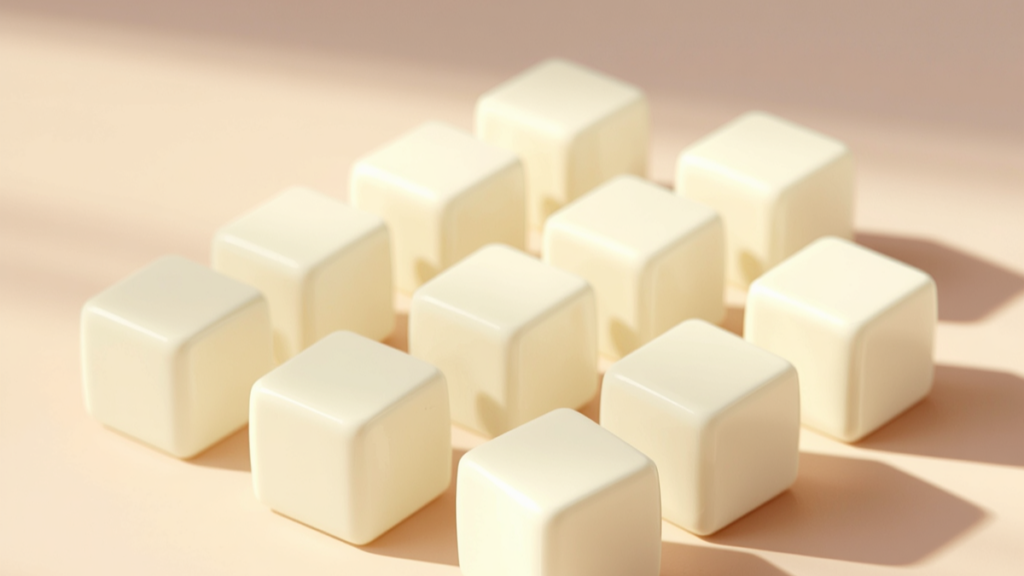
One unique feature in Japan is the cube-type formula.
Instead of powder, the milk comes in small solid cubes that dissolve easily in warm water. Many parents find them convenient for travel and measuring feeds accurately.
Ready-to-drink liquid formula is also becoming more common, especially for emergencies, nighttime feeds, and disasters.
If Breastfeeding Feels Difficult
Many parents struggle at first.
Common concerns:
- pain during feeding
- low milk supply worries
- baby not latching
- exhaustion from night feeds
You can ask midwives, postpartum care services or childcare support centers.
Need extra support after birth?
👉Read: What to Expect at Your Postnatal Checkup in Japan
👉Read: What Are Community Childcare Support Centers Like in Japan?
2. Diaper Changing Basics
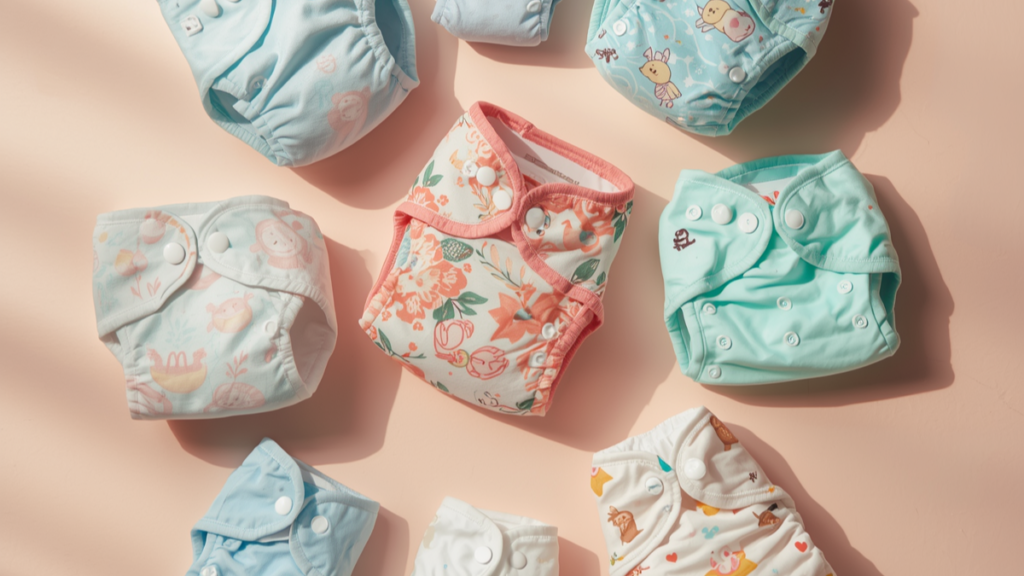
How Often Should You Change Diapers?
Newborns may need 8 to 12 diaper changes per day.
Change diapers:
- after bowel movements
- when heavily wet
- before or after feeding (depending on the baby)
What You Need
Basic diaper-changing items:
- diapers
- wipes
- diaper trash bag
- changing mat
Diaper Sizes in Japan
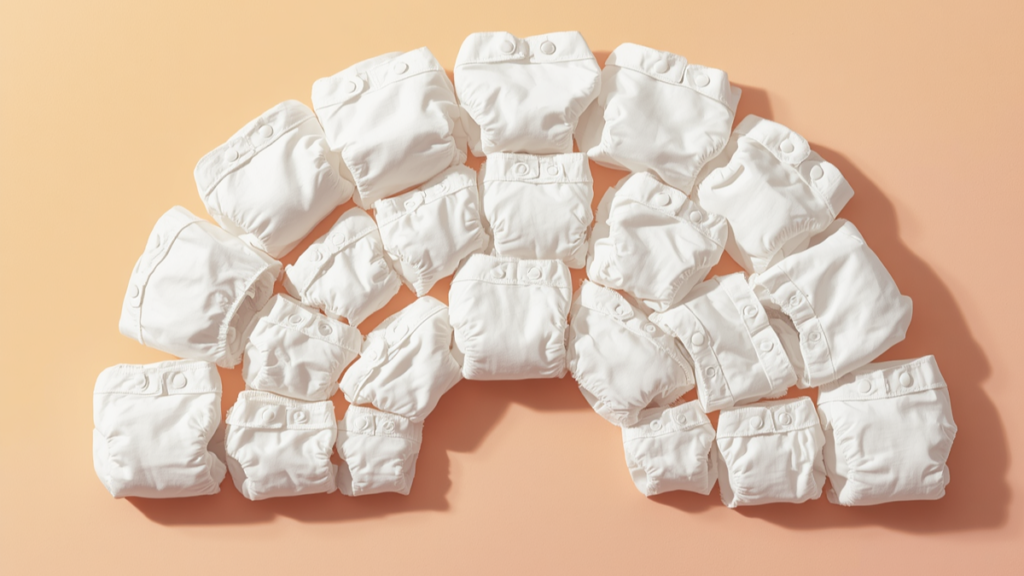
Japanese diapers are usually divided by newborn, S, M, L and Big.
Popular brands include:
- Pampers
- Goo.N
- Merries
- Moony
Sizes may feel slightly smaller than in some countries.
Diaper Disposal in Japan
In many areas of Japan, used diapers can be thrown away as “burnable garbage”, but each municipality may have its own rules. Some cities require designated transparent or semi-transparent garbage bags, while others ask parents to wrap diapers in newspaper before disposal.
Common Basic Rules:
- Dispose of solid stool in the toilet first.
- Roll diapers tightly with the dirty side inside and secure them with the tape tabs.
- To reduce odors, place diapers in an odor-proof bag (such as BOS bags) or a plastic bag before putting them into the main garbage bag.
3. Baby Baths

In Japan, newborn baths are called 沐浴 (mokuyoku).
During the first month, babies are usually bathed separately from adults using:
- a baby bathtub
- warm water only
- gentle baby soap
This tradition originally developed to reduce infection risk, protect newborn skin and keep water temperature controlled.
After the umbilical cord area heals, families often move to regular baths together.
Typical Baby Bath Routine
A simple routine usually looks like this:
- Prepare towels, clothes, diaper, and soap
- Wash the face first
- Wash the body gently
- Rinse carefully
- Dry quickly and keep the baby warm
- Apply baby lotion or cream
Many Japanese parents bathe babies in the evening before sleep.
4. Tips & Next Step

To keep things running smoothly as you welcome your newborn, it is essential to rest whenever you get the chance. You can make daily care much easier by setting up diapering and feeding stations in multiple rooms across your house.
Also, avoid buying too many newborn-sized diapers at once, since babies tend to outgrow them very quickly.
Finally, keep bath time as simple and straightforward as possible during the first few weeks to minimize stress for both you and your baby.
Useful Links (Official & Trusted)
- Mother’s Tree Japan Official LINE
Multilingual support via official LINE account. Families can consult pediatricians and midwives directly in 13 languages. - Maternal & Child Health Interpreter Consultation (SHARE)
Multilingual support for communicating at clinics and hospitals. - AMDA Medical Information Center
Helps you find clinics and hospitals with foreign-language support